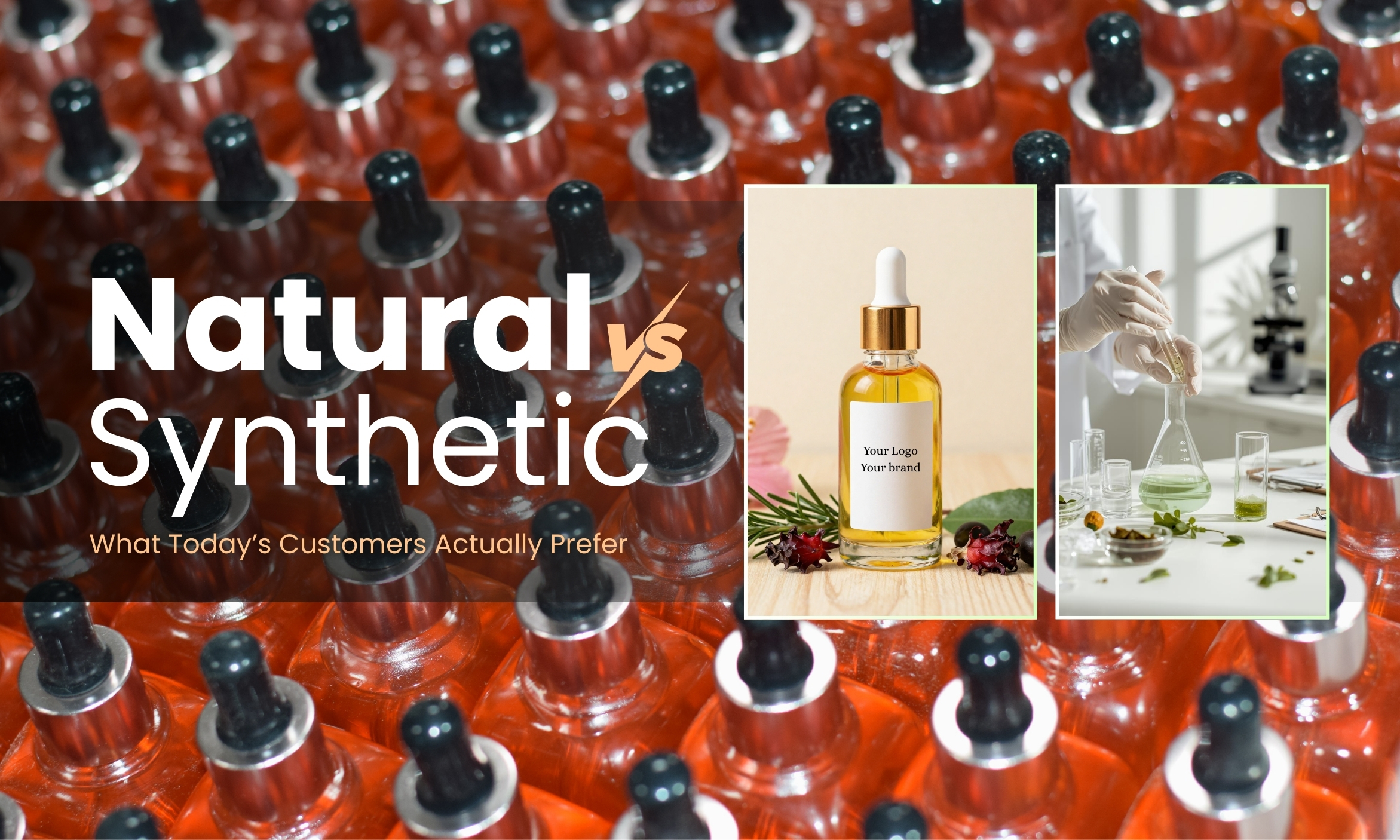
Natural vs Synthetic: What Today’s Customers Actually Prefer
How Customer Awareness Is Redefining the Beauty Industry |What Customers Mean When They Say “Natural” |Why the Natural Skincare Trend Is Strong in India | Understanding Synthetic Ingredients Without Fear or Bias | Why Synthetic Ingredients Still Exist in Modern Skincare| Clean Beauty vs Natural Beauty: A Manufacturer’s Explanation|In today’s beauty market, customers are no longer choosing products based only on fragrance, packaging, or influencer recommendations. From a manufacturer’s point of view, the modern consumer evaluates skincare and haircare products through a much deeper lens, ingredient safety, formulation philosophy, long-term skin health, and brand honesty. The debate between natural and synthetic ingredients is not new, but what has changed is how customers understand and interpret this difference. With rising education, digital access, and transparency expectations, brands must now align their formulations with what customers actually prefer, not what trends merely suggest.
- Customers are more informed and selective than ever
- Ingredient awareness strongly impacts buying decisions
- Manufacturers must respond with clarity and responsibility
As a trusted Natural Skincare Manufacturer, Private Label Skincare Manufacturer, and Cosmetic Product Manufacturer in India, Aadhunik Ayurveda believes that understanding evolving customer preferences helps brands create formulations that balance performance, safety, and transparency.
Today's consumers are increasingly searching for natural skincare products, clean beauty products, safe cosmetic formulations, and science-backed skincare that deliver visible results without compromising ingredient integrity.
How Customer Awareness Is Redefining the Beauty Industry
From a manufacturer’s perspective, customer awareness has become the strongest force shaping the beauty industry. Consumers today actively research ingredients, compare formulations, and question marketing claims. This shift has compelled manufacturers to redesign products with transparency, safety, and performance at the core. The rise of the natural skincare trend India is not just about going “herbal,” but about aligning beauty products with wellness-focused lifestyles and conscious consumption.
- Awareness influences formulation and sourcing decisions
- Brands must justify every ingredient used
- Trust has become more valuable than aggressive marketing
This shift is encouraging brands to partner with a Private Label Skincare Manufacturer capable of developing custom skincare formulations, maintaining ingredient transparency, and delivering products that align with evolving consumer expectations.
What Customers Mean When They Say “Natural”
In real-world manufacturing, the term “natural” often carries emotional trust rather than technical clarity. Customers usually associate natural ingredients with plants, herbs, oils, and minerals that feel familiar and culturally rooted. However, from a formulation standpoint, natural ingredients still require controlled processing, standardization, and testing to be safe and effective. Without scientific balance, even natural ingredients can cause irritation or instability.
- Natural origin does not guarantee skin safety
- Dosage and formulation matter more than labels
- Scientific validation is essential even for herbs
Consumers increasingly associate natural skincare products with botanical extracts, herbal actives, plant oils, and environmentally responsible manufacturing. However, manufacturers understand that scientific validation remains essential regardless of ingredient origin
Why the Natural Skincare Trend Is Strong in India
The natural skincare trend India has grown rapidly because Indian consumers share a deep cultural connection with Ayurveda and traditional remedies. Ingredients like neem, turmeric, aloe vera, and plant oils evoke trust and emotional familiarity. From a manufacturer’s point of view, this connection offers a strong foundation—but only when traditional wisdom is combined with modern testing, hygiene, and formulation science.
- Cultural trust increases product acceptance
- Ayurvedic positioning supports long-term brand loyalty
- Tradition must be supported by modern safety standards
The continued growth of the natural skincare trend India also reflects increasing demand for Ayurvedic skincare products, plant-based cosmetics, and herbal personal care products manufactured using modern quality standards.
Understanding Synthetic Ingredients Without Fear or Bias
Synthetic ingredients are often misunderstood due to misinformation. From a manufacturer’s perspective, synthetic ingredients are developed to deliver consistency, stability , and targeted functionality. Many synthetics are created to replicate natural properties in a more controlled and predictable way. When used responsibly, they enhance product performance and safety rather than harming the skin.
- Synthetic ingredients provide formulation control
- They ensure batch-to-batch consistency
- Most are extensively safety-tested
Responsible manufacturers carefully select synthetic ingredients that have established safety profiles, regulatory approval, and compatibility with modern skincare formulation development practices.
Why Synthetic Ingredients Still Exist in Modern Skincare
Despite growing natural preferences, synthetic ingredients remain essential in cosmetic formulations. Preservatives, emulsifiers, stabilizers, and texture enhancers are often synthetic because they protect products from microbial growth and degradation. From manufacturing experience, eliminating all synthetics can compromise product safety, shelf life, and consumer health.
- Prevents bacterial and fungal contamination
- Maintains product stability during storage and use
- Ensures safety over the product’s life cycle
Clean Beauty vs Natural Beauty: A Manufacturer’s Explanation
Many consumers confuse clean beauty with natural beauty. Clean beauty focuses on ingredient safety, non-toxicity, and transparency—not just natural origin. The increasing clean beauty demand shows that customers are willing to accept safe synthetic ingredients if they are proven non-harmful. From a manufacturer’s point of view, clean beauty allows balanced formulations that prioritize skin safety over marketing labels.
- Clean beauty is safety-driven, not trend-driven
- It allows responsible use of synthetics
- Transparency strengthens consumer confidence
The rising clean beauty demand has encouraged manufacturers to eliminate unnecessary ingredients while maintaining product stability, safety, and performance through evidence-based formulation science.
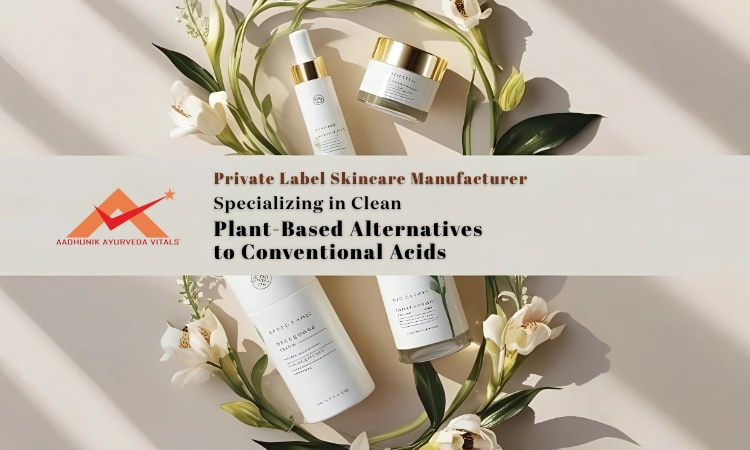
Why Clean Beauty Demand Is Rising Across India and Globally
The clean beauty demand in India and globally is growing due to higher education levels, social media awareness, and dermatologist-led conversations. Consumers now actively avoid harsh chemicals and questionable additives, even if products are not fully natural. Manufacturers are responding by developing safe cosmetic formulations that meet both regulatory and consumer expectations.
- Long-term skin health is now a priority
- Consumers want safer everyday-use products
- Clean beauty appeals to all age groups
What Today’s Customers Actually Look for on Product Labels
Modern consumers carefully read labels and ingredient lists. Claims such as “plant-based,” “non-toxic,” and “dermatologically tested” strongly influence buying decisions. Ingredient transparency in skincare has become essential, as customers quickly lose trust in brands that use vague or misleading claims.
- Clear labeling builds credibility
- Transparency reduces consumer hesitation
- Hidden ingredients damage brand reputation
Searches for ingredient transparency in skincare, paraben-free skincare, sulfate-free cosmetics, and dermatologically tested skincare products continue to influence purchasing decisions across global beauty markets.
Safety and Performance: The Real Decision-Makers
From years of manufacturing experience, customers ultimately remain loyal to products that are safe and effective. Whether natural or synthetic, ingredients must deliver visible results without side effects. Safe cosmetic formulations that perform consistently build repeat usage and long-term trust.
- Safety is non-negotiable
- Performance ensures repeat purchases
- Trust drives brand longevity
Role of Social Media and Education in Shaping Preferences
Social media, dermatologists, and ingredient educators have transformed how customers perceive beauty products. While education empowers consumers, misinformation has also created fear around certain ingredients. From a manufacturer’s standpoint, brands must counter confusion with factual communication and position themselves as transparent beauty brands.
- Education creates informed consumers
- Misinformation increases ingredient anxiety
- Honest communication builds authority
Balancing Natural and Synthetic Ingredients in Modern Formulations
The future of beauty lies in balance. From a manufacturer’s point of view, combining plant-based actives with safe synthetic stabilizers creates products that are effective, stable, and compliant. Hybrid skincare formulations allow brands to satisfy consumer expectations without compromising safety or shelf life.
- Balance ensures formulation stability
- Reduces risk of product failure
- Supports regulatory compliance
Modern hybrid skincare formulations combine carefully selected botanical ingredients with scientifically validated functional ingredients to deliver superior stability, efficacy, and long-term consumer satisfaction.
Manufacturer’s Responsibility in Ethical Formulation
Manufacturers carry the responsibility of guiding brands toward ethical and transparent practices. At a manufacturer level, ingredient selection is not about trends but about consumer well-being. Ethical skincare manufacturing ensures that every formulation decision prioritizes safety, honesty, and sustainability .
- Ethical choices protect consumers
- Transparency strengthens brand trust
- Responsibility ensures long-term success
As an experienced Cosmetic Product Manufacturer, we believe ethical formulation includes ingredient traceability, responsible sourcing, regulatory compliance, and transparent communication throughout the manufacturing process.
Future of Beauty: Where Customer Preference Is Headed
Customer preference is steadily moving toward conscious, informed, and value-driven beauty choices. Natural inspiration, clean formulations, and transparent storytelling will define future brands. From a manufacturer’s perspective, brands that adapt thoughtfully and educate consumers will lead the market.
- Conscious beauty will dominate future markets
- Transparency will become mandatory
- Balanced formulations will set new standards
Brands that collaborate with an experienced Private Label Skincare Manufacturer can successfully create products that combine clean beauty, natural skincare, scientific formulation, and consumer trust, ensuring long-term success in an increasingly informed marketplace
Conclusion
Natural versus synthetic is no longer a battle of extremes. What today’s customers actually prefer are products that are safe, effective, and honest. Ingredient origin matters less than ingredient responsibility. Brands that embrace transparency, testing, and balanced formulation strategies will build trust, loyalty, and sustainable growth.
- Trust outweighs marketing claims
- Safety defines brand credibility
- Responsible formulation ensures longevity
FAQs:
1.Do Indian customers prefer natural skincare products?
Yes, the natural skincare trend India is strong due to cultural familiarity and wellness awareness.
2. Are synthetic ingredients always harmful?
No. Many synthetics are safe, regulated, and essential for product stability and safety.
3. What does clean beauty really mean?
Clean beauty focuses on non-toxic, safe, and transparent formulations rather than just ingredient origin.
4. Why is clean beauty demand increasing?
The clean beauty demand is driven by ingredient awareness and long-term skin health concerns.
5. Can natural and synthetic ingredients work together?
Yes. Balanced formulations combine the strengths of both for safety and performance.
6. What should customers check before buying skincare products?
Customers should look for ingredient transparency, safety testing, and responsible brand practices.
7. Why are customers paying more attention to ingredient transparency in skincare?
Modern consumers want to understand exactly what goes into their skincare products. Clear ingredient labeling, scientifically supported formulations, and transparent manufacturing practices help brands build trust and long-term customer loyalty.
8. Why should beauty brands work with an experienced private label skincare manufacturer?
An experienced Private Label Skincare Manufacturer provides formulation expertise, regulatory guidance, ingredient sourcing, quality testing, and scalable manufacturing support, enabling brands to launch safe, effective, and market-ready skincare products with confidence.