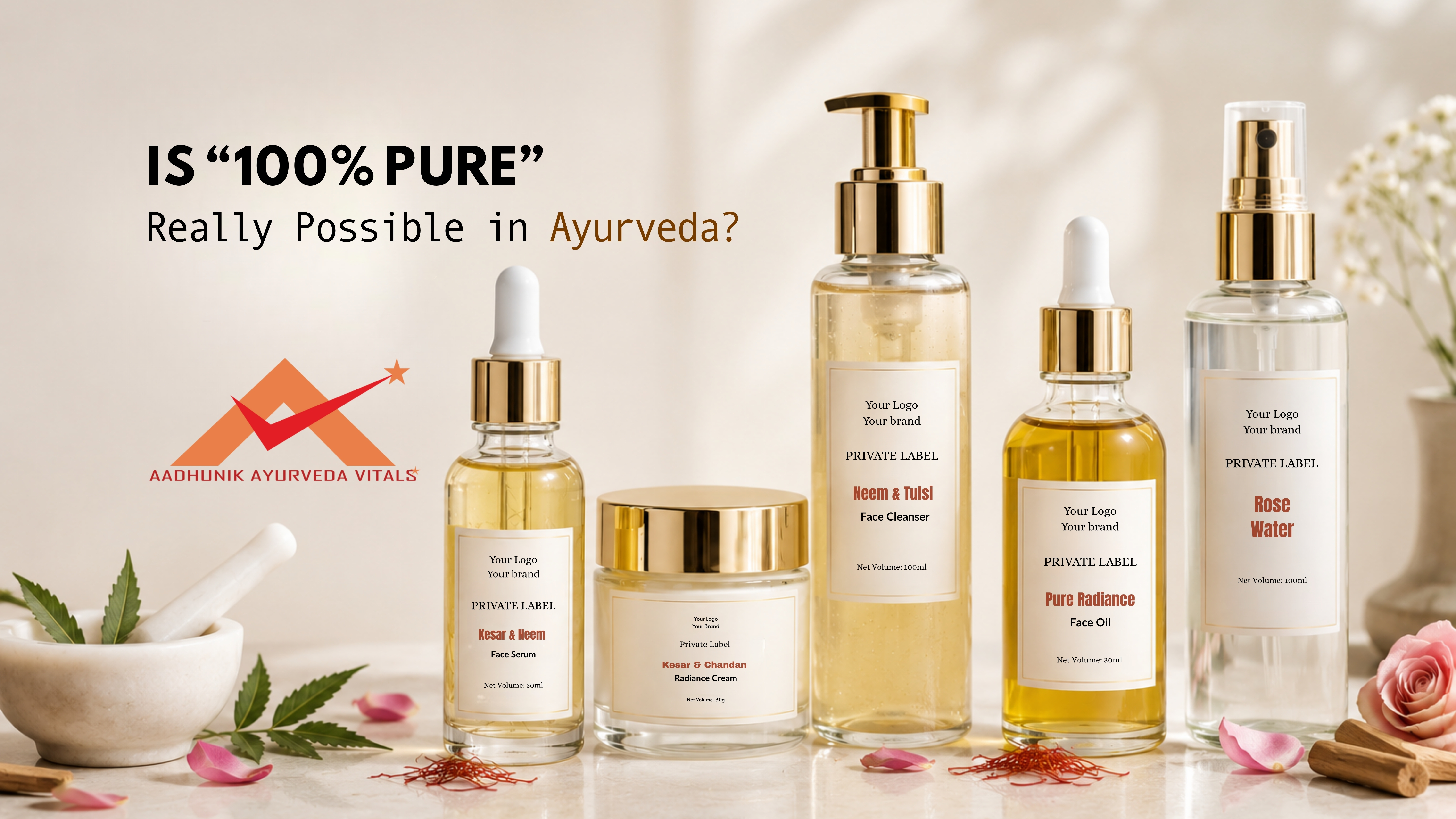
Is “100% Pure” Really Possible in Ayurveda?
Understanding What “100% Pure” Actually Means | The Reality of Raw Materials: Purity Starts at the Source |Processing vs Purity: The Necessary Trade-Off |Formulation Science: Why “100% Pure” Is Not Always Practical | The Myth of “Chemical-Free” in Ayurveda | Water Content and Its Impact on Purity |The word “pure” has become one of the most powerful and overused claims in the Ayurvedic and clean beauty industry. Walk into any skincare store or browse any online platform, and you will find countless brands promoting their products as “100% pure,” “chemical-free,” or “completely natural.” While these claims sound appealing and align with consumer expectations, the real question is: is 100% purity actually possible in Ayurvedic manufacturing?
From a consumer perspective, purity often means safety, authenticity, and trust. However, from a manufacturer’s standpoint, the concept of 100% pure Ayurveda, pure Ayurvedic products, and chemical free skincare India is far more complex. At Aadhunik Ayurveda, we believe that purity is not a marketing label, it is a scientific, sourcing, and formulation challenge that must be understood in depth.

This blog is a complete manufacturer’s perspective on what “pure” truly means in Ayurveda, what is realistically achievable, and how brands can position themselves authentically without misleading consumers.
As consumer awareness continues to grow, brands are increasingly seeking an Ayurvedic manufacturer in India that focuses on transparency, ingredient quality, and responsible formulation practices rather than unrealistic marketing claims. Understanding what truly defines 100% Pure Ayurveda helps brands build long-term consumer trust while developing high-quality Private label Ayurvedic products.
Understanding What “100% Pure” Actually Means
The term “100% pure” is often interpreted differently by consumers and manufacturers. For a consumer, it may mean no chemicals, no preservatives, and no synthetic ingredients. However, from a formulation standpoint, every ingredient, even water and plant extracts, is made up of chemical compounds.
From a manufacturer’s perspective, pure Ayurvedic products can be defined as formulations that are:
- Made from natural or naturally derived ingredients
- Free from harmful or unnecessary synthetic additives
- Processed with minimal alteration to preserve their natural integrity
However, achieving absolute purity is challenging because:
- Raw materials can vary in quality due to environmental factors
- Processing is required to make ingredients usable and stable
- Safety and shelf life must be ensured for consumer use
This is why the concept of 100% pure Ayurveda must be approached with scientific clarity rather than marketing exaggeration.
The Reality of Raw Materials: Purity Starts at the Source
In Ayurvedic manufacturing, purity begins with the sourcing of raw materials. Herbs, oils, and botanical extracts are influenced by soil quality, climate conditions, harvesting methods, and storage practices.
From a manufacturer’s standpoint, ensuring natural skincare ingredients India involves:
- Selecting trusted suppliers and farmer networks
- Conducting quality testing for contaminants
- Ensuring traceability of every ingredient
At Aadhunik Ayurveda, we focus on building transparent supply chains where every ingredient is verified for authenticity and quality. However, even with the best sourcing practices, achieving “absolute purity” is difficult because natural ingredients are inherently variable.
Selecting premium Natural skincare ingredients India is one of the most important responsibilities of every Ayurvedic cosmetic manufacturer India. Ethical sourcing, laboratory testing, and complete traceability ensure that every ingredient meets strict quality standards before entering the manufacturing process.
Processing vs Purity: The Necessary Trade-Off
One of the biggest misconceptions in Ayurveda is that processing reduces purity. In reality, processing is essential to make ingredients safe, effective, and usable in formulations.
For example:
- Raw herbs cannot be directly applied to the skin without processing
- Oils must be filtered and stabilized
- Extracts must be standardized for consistent performance
From a manufacturing perspective, the goal is not to eliminate processing but to ensure that it does not compromise the integrity of the ingredient.
Modern Ayurvedic contract manufacturing India follows carefully controlled processing methods that preserve the natural integrity of herbs while improving stability, safety, and formulation performance. Responsible processing should always be viewed as a quality-enhancing step rather than a compromise on purity.
This is where the concept of clean beauty Ayurveda becomes important, balancing minimal processing with maximum efficacy.
Formulation Science: Why “100% Pure” Is Not Always Practical
Modern skincare products are designed for convenience, performance, and shelf life. This requires combining multiple ingredients into a stable formulation.
From a manufacturer’s standpoint, creating Ayurvedic skincare manufacturer India level products involves:
- Ensuring compatibility between ingredients
- Maintaining stability over time
- Preventing microbial contamination
An experienced Ayurvedic skincare manufacturer India carefully balances ingredient compatibility, preservation requirements, and product stability to develop formulations that remain effective throughout their intended shelf life while staying aligned with Clean beauty Ayurveda principles.

In many cases, this means:
- Using emulsifiers to combine oil and water
- Adding stabilizers for texture
- Including preservatives for safety
This does not mean the product is impure—it means it is scientifically designed for real-world use.
The Myth of “Chemical-Free” in Ayurveda
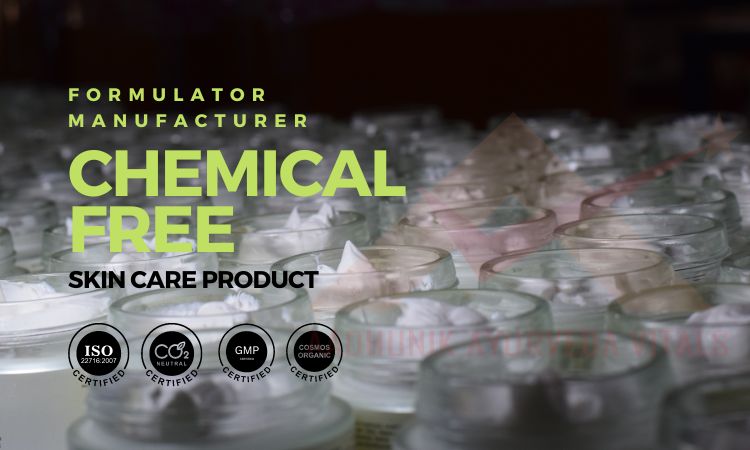
One of the most common claims associated with purity is “chemical-free.” However, this term is scientifically inaccurate because everything in nature is made up of chemicals.
From a manufacturer’s perspective:
- Water is a chemical (H₂O)
- Essential oils contain complex chemical compounds
- Herbal extracts are combinations of active molecules
The real focus should be on avoiding harmful or unnecessary chemicals, not all chemicals. This is why chemical free skincare India should be understood as safe and non-toxic formulations, rather than literally chemical-free.
Water Content and Its Impact on Purity
Water is one of the most commonly used ingredients in skincare, but it also introduces challenges related to purity and stability.
From a manufacturing standpoint:
- Water-based formulations require preservation
- Microbial growth becomes a risk
- Shelf life must be managed carefully
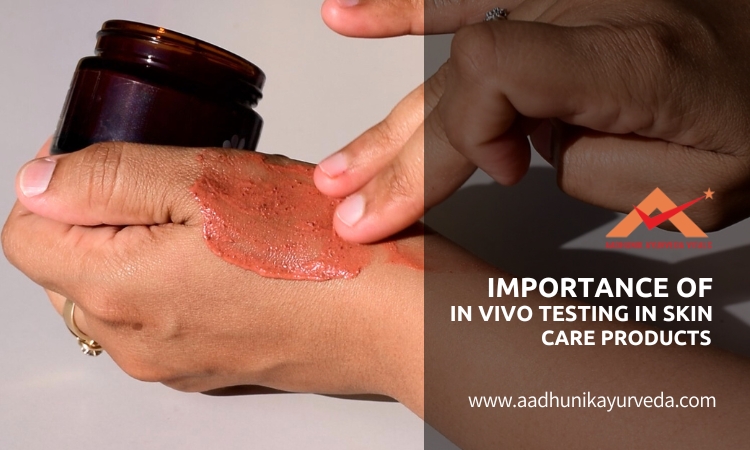
This is why products like creams, lotions, and gels cannot be truly “100% pure” in the strictest sense. They require additional components to ensure safety and usability.
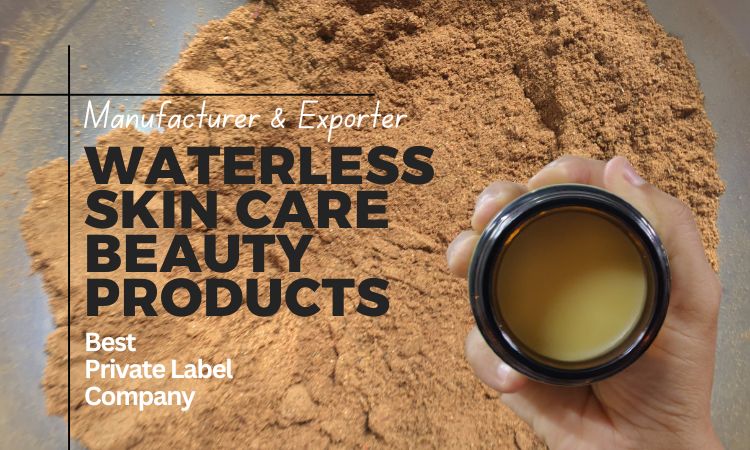
In contrast, waterless formulations such as oils and powders are closer to the idea of preservative free Ayurvedic products, as they naturally resist microbial growth.
Purity vs Practical Formulation Reality
| Aspect | Ideal “100% Pure” Concept | Manufacturing Reality |
|---|---|---|
| Ingredients | Only raw natural materials | Processed for safety & usability |
| Shelf Life | Very short | Extended with stabilization |
| Safety | Risk of contamination | Controlled with testing |
| Performance | Variable | Standardized for consistency |
Role of Preservation in Maintaining Product Integrity
Purity is not just about ingredients, it is also about ensuring that the product remains safe over time. This is where preservation plays a crucial role.
From a manufacturer’s perspective:
- Preservatives prevent microbial growth
- They protect product integrity during storage
- They ensure consumer safety
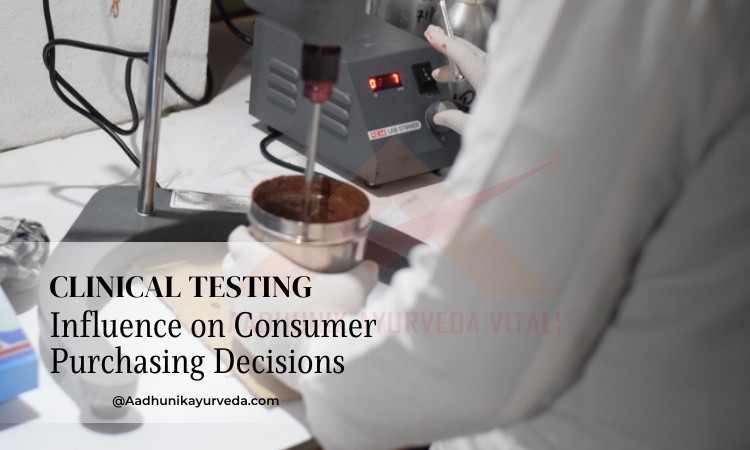
At Aadhunik Ayurveda, we use minimal and safe preservation systems only when required, ensuring alignment with clean beauty Ayurveda principles.
Waterless Beauty: The Closest Approach to “Pure”
Waterless formulations represent one of the closest approaches to achieving high levels of purity in Ayurveda.
Examples include:
- Herbal powders (ubtans)
- Oil-based serums
- Balm-based formulations
These products:
- Do not require preservatives
- Have longer natural shelf life
- Maintain higher concentration of active ingredients
This approach aligns strongly with 100% pure Ayurveda philosophy, but it may not always meet modern consumer expectations for convenience.
Waterless formulations are becoming increasingly popular among brands looking for Preservative free Ayurvedic products because they naturally reduce microbial growth while delivering highly concentrated botanical ingredients. These formulations also support the growing demand for Chemical free skincare India concepts when marketed responsibly and transparently.
Balancing Purity, Safety, and Performance
From a manufacturer’s standpoint, the goal is not to achieve unrealistic purity but to balance three critical factors:
- Ingredient authenticity
- Product safety
- Performance and usability
At Aadhunik Ayurveda, we design formulations that maintain the integrity of natural ingredients while ensuring they are safe and effective for consumers.
Brand Positioning Options
| Brand Philosophy | Approach | Result |
|---|---|---|
| Traditional | Waterless, minimal processing | High purity, limited usability |
| Modern Clean Beauty | Balanced formulation | Safe, stable, effective |
| Performance-Based | Advanced formulation | High efficacy, broader appeal |
Challenges in Achieving True Purity
Despite best efforts, achieving complete purity is challenging due to:
- Environmental variations in raw materials
- Need for processing and stabilization
- Regulatory requirements for safety
This is why brands must move away from absolute claims and focus on transparency and authenticity.
How Aadhunik Ayurveda Defines “Real Purity”
At Aadhunik Ayurveda, purity is defined by:
- Ethical sourcing of ingredients
- Minimal and necessary processing
- Transparent formulation practices
We believe that true purity lies in honesty and scientific integrity, not in exaggerated claims.
As the global clean beauty movement evolves, brands increasingly prefer partnering with a Clean beauty manufacturer India or Herbal skincare manufacturer India that prioritizes ingredient authenticity, scientific validation, and ethical manufacturing practices instead of relying on exaggerated purity claims.
Conclusion: The Truth About “100% Pure” in Ayurveda
The idea of “100% pure” in Ayurveda is aspirational but not always practical in modern product development. While waterless and minimally processed products can come close, most formulations require a balance of natural ingredients and scientific support.
The real goal for brands should not be absolute purity, but authentic, safe, and effective products that align with both Ayurvedic principles and modern consumer needs.
By working with an experienced manufacturer like Aadhunik Ayurveda, brands can create formulations that are truly clean, transparent, and trustworthy.
CTA: Build Authentic Ayurvedic Products with Aadhunik Ayurveda
Ready to create skincare products that are truly clean, safe, and effective?
Partner with Aadhunik Ayurveda and bring your vision to life with:
- High-quality ingredient sourcing
- Advanced formulation expertise
- Clean beauty compliant products
- Export-ready manufacturing
Start your Ayurvedic brand journey with Aadhunik Ayurveda today.

FAQs:
1. Is 100% pure skincare really possible in Ayurveda?
Not always. It depends on the formulation. Waterless products can come close, but most modern products require processing and stabilization.
2. What does “pure Ayurvedic products” actually mean?
It means products made from natural ingredients with minimal processing and no harmful additives.
3. Are chemical-free products truly possible?
No, because everything is made of chemicals. The focus should be on safe and non-toxic formulations.
4. Why do some Ayurvedic products contain preservatives?
Because water-based formulations need protection against microbial growth.
5. How can brands ensure product purity?
By choosing high-quality ingredients, working with trusted manufacturers, and maintaining transparency.
6. Why choose Aadhunik Ayurveda?
Because we combine traditional Ayurvedic knowledge with modern scientific expertise to deliver safe and authentic products.
7. Can private label Ayurvedic products be formulated with minimal processing?
Yes. An experienced Ayurvedic private label manufacturer India can develop formulations using minimally processed botanical ingredients while ensuring product safety, stability, and regulatory compliance.
8. How do manufacturers verify the purity of Ayurvedic ingredients?
Professional manufacturers use raw material authentication, microbial testing, heavy metal analysis, and supplier traceability to ensure Pure Ayurvedic products are manufactured using high-quality ingredients that meet established quality standards.