Is “Preservatives in Ayurveda: Are They Safe?
Preservatives in Ayurveda: Are They Safe? | Understanding the Core Role of Preservatives in Ayurvedic Formulations |Ancient Ayurvedic Systems: Designed Without Preservatives |Evolution of Skincare: From Traditional Systems to Modern Formulations | The Real Stand: When Preservatives Are Required vs Not Required | Waterless Beauty: The Future Rooted in Ayurveda |The global beauty and wellness industry is undergoing a massive transformation, driven by conscious consumers who are actively seeking safer, cleaner, and more transparent products. This shift has brought Ayurveda into the spotlight, positioning it as a trusted system rooted in purity and holistic wellness. However, with this rise comes one of the most debated questions in formulation science: are preservatives safe in Ayurvedic products, and do they align with traditional principles?
From a surface-level perspective, many consumers associate Ayurveda with being completely preservative-free. But from a manufacturer’s point of view, the reality is far more complex and requires a deeper understanding of formulation science. At Aadhunik Ayurveda, we believe the answer does not lie in eliminating preservatives entirely but in understanding when they are required and when they are not, based on the nature of the formulation.
This is where the concept of preservatives in Ayurveda, natural preservatives in Ayurveda, and preservative free Ayurvedic products needs to be redefined, not as a binary choice, but as a strategic formulation decision.
As the demand for clean-label products continues to grow, brands increasingly rely on an experienced Ayurvedic manufacturer in India that understands the balance between traditional formulation principles and modern product safety. Making informed decisions about Preservatives in Ayurveda is essential for developing products that are effective, stable, and trusted by consumers.
Understanding the Core Role of Preservatives in Ayurvedic Formulations
Preservatives are ingredients added to formulations to prevent microbial growth, oxidation, and spoilage. However, their necessity depends entirely on the composition and structure of the product. From a manufacturing standpoint, every formulation is evaluated based on its water content, ingredient complexity, and intended shelf life.
For example, when a product contains water or water-based ingredients like aloe vera gel, herbal extracts, or milk etc, it becomes highly susceptible to bacterial and fungal contamination. In such cases, the use of safe preservatives in Ayurveda becomes essential to ensure product safety and stability. Without proper preservation, the product may degrade quickly, leading to reduced efficacy and potential harm to the consumer.
On the other hand, formulations that are completely oil-based or powder-based do not support microbial growth. This means they can naturally remain stable without the need for preservatives, aligning closely with the concept of preservative free Ayurvedic products.
During Ayurvedic formulation development, every ingredient is carefully evaluated for its stability, water activity, and microbial risk. This scientific assessment helps manufacturers determine whether Safe preservatives in Ayurveda are required or whether the formulation can naturally remain stable without additional preservation.
Ancient Ayurvedic Systems: Designed Without Preservatives
To truly understand the role of preservatives, it is important to look at how Ayurvedic products were traditionally created and used. Ancient Ayurvedic formulations were inherently designed to avoid the need for preservation by focusing on fresh preparation, minimal processing, and waterless systems.
For cleansing, Ayurveda relied on ingredients such as reetha, shikakai, and herbal ubtans made from pulses, seeds and botanical powders. These ingredients naturally contain saponins, which act as cleansing agents. Since they were used in dry form and activated only at the time of use, they did not require any preservatives. This approach reflects the foundation of what is now being rediscovered as waterless beauty Ayurveda.
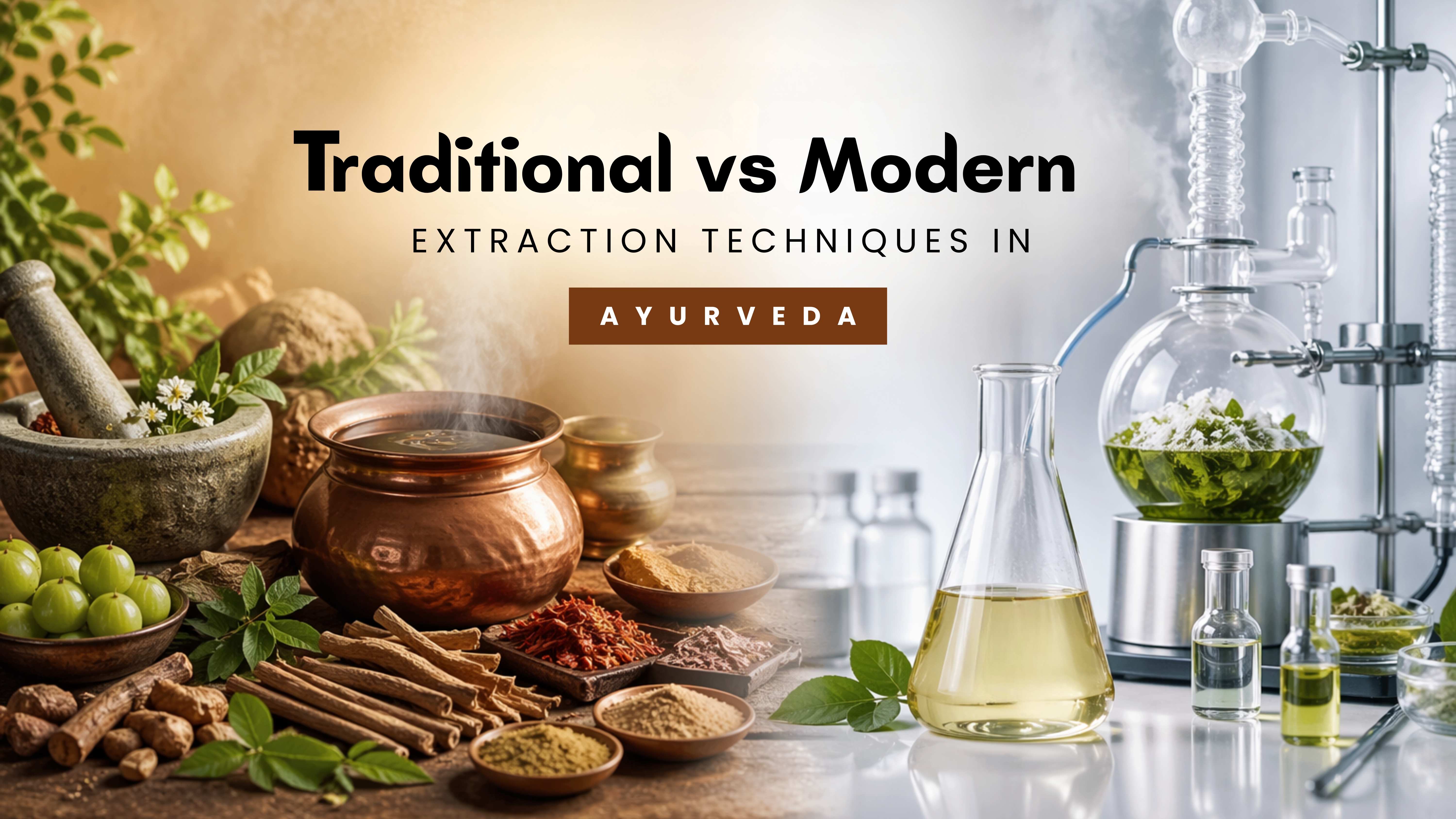
These traditional preparation methods continue to inspire modern Waterless beauty Ayurveda innovations, allowing brands to develop highly concentrated formulations that naturally reduce the need for preservatives while preserving ingredient potency.
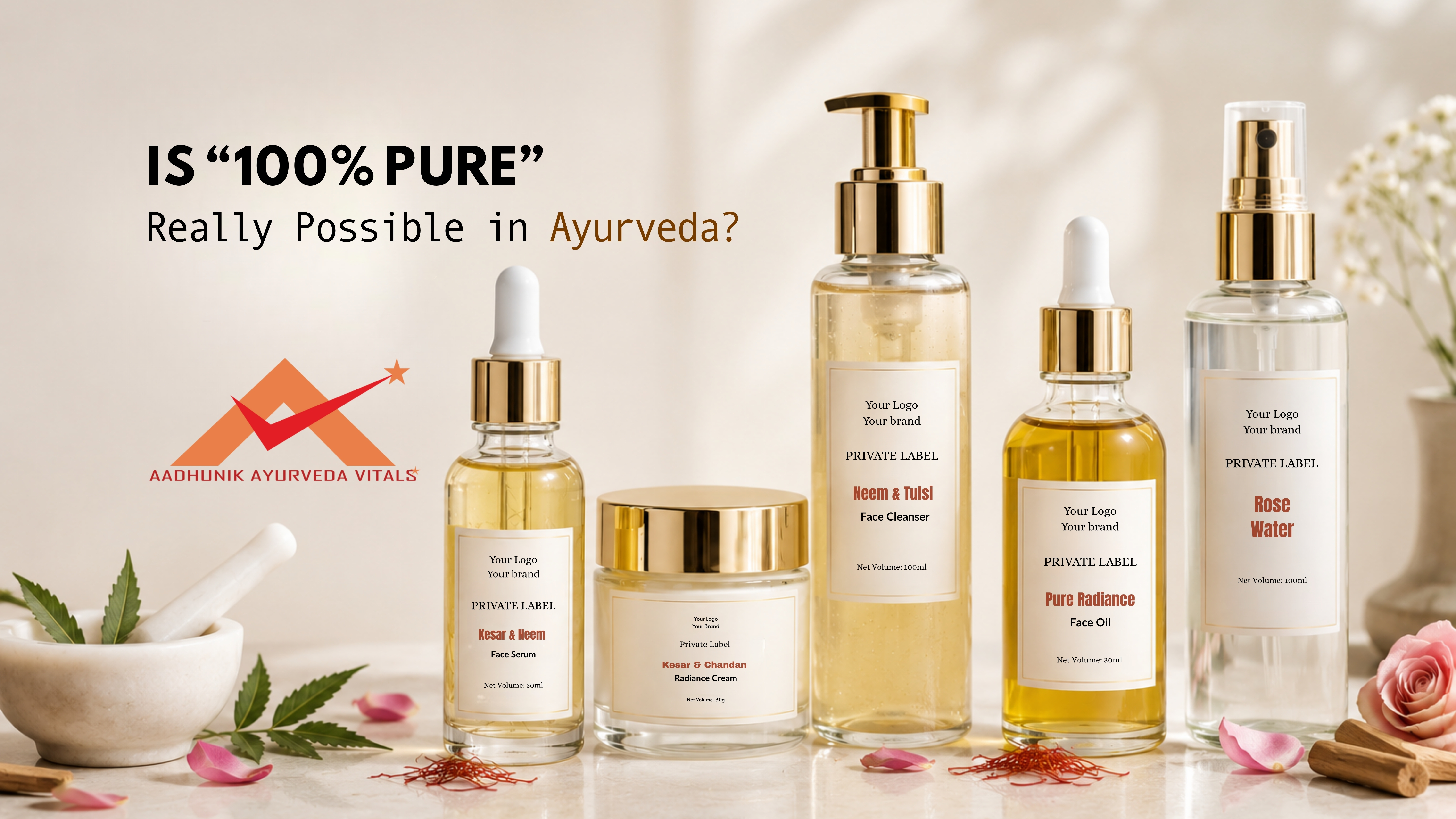
Similarly, toning was done using freshly distilled hydrosols such as rose water, lavender, chamomile, marigold, and vetiver water. These were produced through steam distillation and stored in clean jars and used within a short period, eliminating the need for long-term preservation. Moisturizing, on the other hand, was entirely oil-based, using locally available oils like sesame, coconut, or mustard oil. These oils were naturally stable and did not require any preservatives, making them a perfect example of traditional formulation efficiency.
Evolution of Skincare: From Traditional Systems to Modern Formulations
As consumer lifestyles evolved, so did the formats of skincare products. The transition from traditional to modern skincare introduced new challenges, particularly in terms of shelf life and convenience.
Initially, cleansing systems evolved from powders to soap bars, which offered longer shelf life and ease of use. Over time, the industry moved toward liquid cleansers, face washes, and shampoos, all of which are water-based. This shift made the use of preservatives in Ayurvedic products unavoidable in many cases.
Modern consumers expect ready-to-use products such as creams, gels, serums, and liquid cleansers to be natural. These formulations often combine multiple ingredients, including water, botanical extracts, and active compounds. While this brings in ready to use convenience and user experience, it also increases the risk of microbial contamination, making preservation a critical aspect of formulation design.
The Real Stand: When Preservatives Are Required vs Not Required
From a manufacturer’s perspective, the most important factor in deciding whether to use preservatives is the presence of water in the formulation.
Preservatives are required in formulations that include water, aloe vera gel, herbal extracts, or any aqueous base. These products are highly prone to microbial growth and must be protected using scientifically validated preservation systems. This includes creams, lotions, gels, shampoos, and face washes.
In contrast, preservatives are not required in oil-based products such as hair oils, face oils, and soaps, as well as powder-based formulations like ubtans and herbal masks. Similarly, freshly prepared or properly handled hydrosols also do not require preservatives, depending on their storage and usage conditions.
This distinction highlights the importance of understanding clean beauty preservatives India not as a universal requirement but as a formulation-specific necessity.
Waterless Beauty: The Future Rooted in Ayurveda
The global shift toward sustainability and clean beauty has led to the rise of waterless formulations, a concept that has always been a part of Ayurveda. Waterless beauty focuses on eliminating water from formulations, thereby reducing the need for preservatives and enhancing product potency.
Examples of waterless formulations include powder cleansers, oil-based serums, and balm-based products. These formulations offer several advantages, including longer shelf life, higher concentration of active ingredients, and reduced risk of contamination.
At Aadhunik Ayurveda, we actively incorporate the principles of waterless beauty Ayurveda into our product development strategies. This allows brands to create innovative products that are both effective and aligned with consumer demand for minimal and clean formulations.
Challenges of Going Completely Preservative-Free
While preservative-free formulations are appealing, they are not always practical or safe, especially for modern product formats. Water-based products without preservatives can quickly become breeding grounds for bacteria and fungi, leading to spoilage and potential health risks.
From a manufacturer’s perspective, the goal is not to eliminate preservatives entirely but to use them responsibly. This involves selecting safe preservatives in Ayurveda, using them in minimal effective concentrations, and ensuring compatibility with the formulation.
At Aadhunik Ayurveda, we guide brands in making informed decisions by balancing the benefits of natural preservation with the requirements of modern product formats.
Modern Preservation: Science Meets Safety
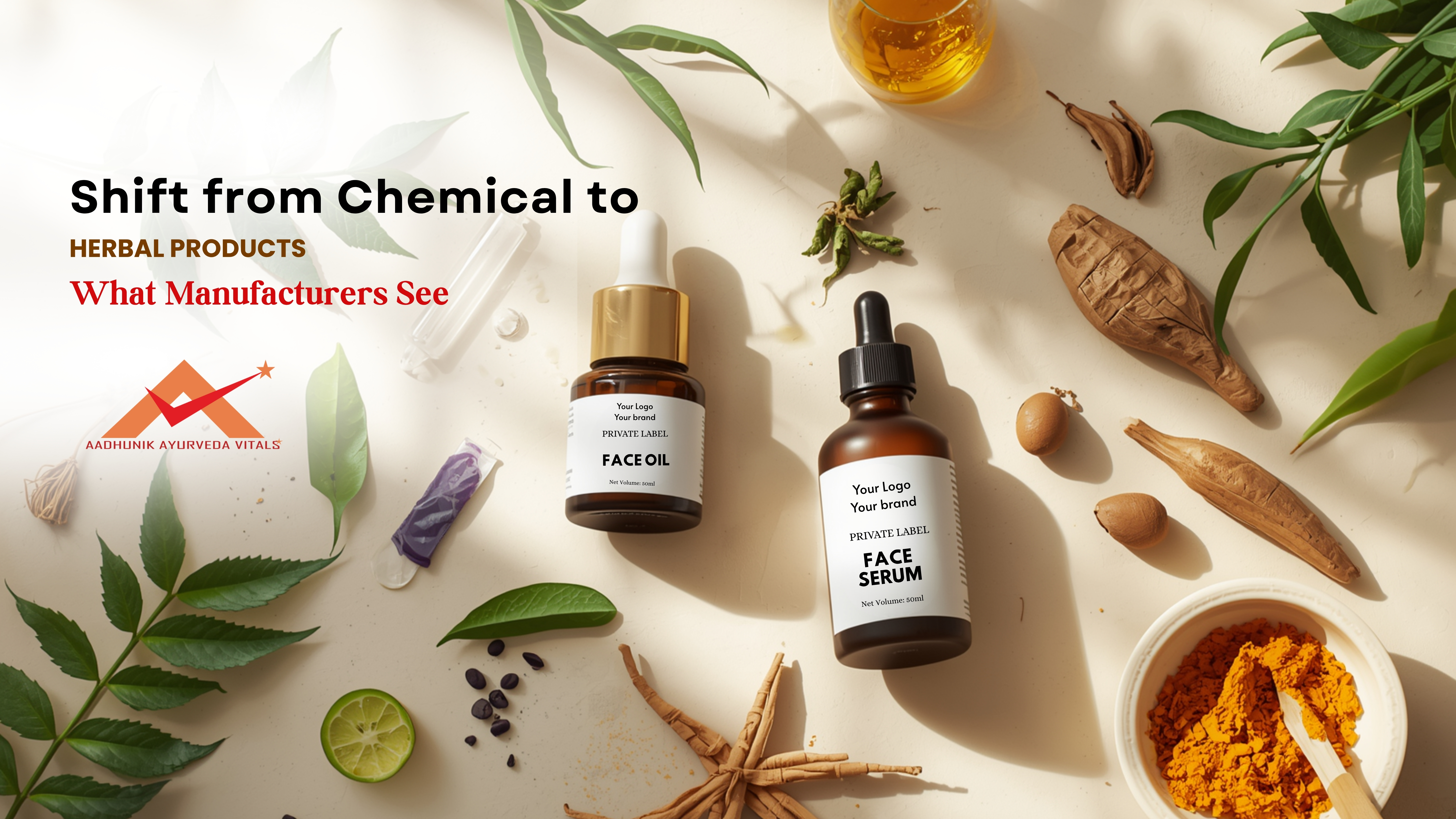
Modern Ayurvedic manufacturing combines traditional knowledge with scientific advancements to create safe and stable products. This includes the use of both natural and nature-identical preservatives that are approved by regulatory authorities.
Natural preservatives such as neem extract, turmeric extract, and essential oils align with Ayurvedic principles but may not always provide complete protection. In such cases, they are complemented with mild, globally accepted preservatives to ensure product safety.
This hybrid approach allows manufacturers to create products that meet the standards of Ayurvedic skincare manufacturer India while maintaining clean beauty positioning.
An experienced Ayurvedic skincare manufacturer India carefully selects preservation systems based on product type, formulation composition, and regulatory requirements. The objective is always to protect the product without compromising its natural positioning or consumer safety.
Regulatory and Safety Considerations
Every Ayurvedic manufacturer in India must comply with regulatory frameworks such as AYUSH, BIS, and international cosmetic regulations. These guidelines ensure that preservatives used in products are safe, effective, and within permissible limits.
At Aadhunik Ayurveda, we follow strict quality control measures, including microbial testing, stability analysis, and ingredient validation. This ensures that every product meets both domestic and international standards.
A professional Ayurvedic contract manufacturing India partner follows stringent microbial testing, preservative efficacy testing, and stability studies to ensure every formulation remains safe throughout its intended shelf life while meeting domestic and international quality standards.

How Aadhunik Ayurveda Defines the Right Approach
At Aadhunik Ayurveda, our philosophy is simple: use preservatives only where necessary and avoid them where possible. This approach allows us to create formulations that are both safe and aligned with Ayurvedic principles.
We help brands choose the right formulation strategy based on their target market and product philosophy. Whether it is waterless formulations or modern ready-to-use products, we ensure that every formulation is scientifically validated and market-ready.
Conclusion: The Balanced Truth About Preservatives in Ayurveda
Preservatives in Ayurveda are not inherently good or bad—they are tools that must be used appropriately. The key lies in understanding the formulation and making informed decisions based on its composition.
Water-based products require preservatives to ensure safety and stability, while oil-based and powder-based products and even right texhique made hydrosols can remain naturally stable without them. This balanced approach reflects the true essence of Ayurveda, which emphasizes harmony and practicality.
By partnering with an experienced manufacturer like Aadhunik Ayurveda, brands can navigate these complexities and create products that are both effective and trustworthy.
As consumer awareness around ingredient transparency continues to increase, brands are increasingly choosing a Natural skincare manufacturer India and Clean beauty manufacturer India that emphasizes responsible formulation practices instead of making unrealistic preservative-free claims. This approach helps create trustworthy Private label Ayurvedic products that balance authenticity, safety, and performance.
CTA: Build Smart Ayurvedic Formulations with Aadhunik Ayurveda
Ready to develop Ayurvedic products that balance tradition and modern science?
Partner with Aadhunik Ayurveda and create formulations that are:
- Safe and stable
- Clean and effective
- Market-ready and scalable
What You Get:
- Advanced formulation support
- Waterless & preserved product expertise
- Certified manufacturing processes
- Export-ready solutions
Start your journey with Aadhunik Ayurveda today.

FAQs:
1. Are preservatives necessary in all Ayurvedic products?
No, only water-based formulations require preservatives. Oil and powder-based products and even proper distilled hydrosols do not need preservatives.
2. Can brands create preservative-free skincare?
Yes, but only with waterless formulations such as oils, powders, and balms and hydrosols.
3. Why do modern Ayurvedic products need preservatives?
Because they are water-based and designed for convenience, texture, experience, long shelf life and global distribution.
4. Are natural preservatives enough for product safety?
Not always. They may need support from additional preservation systems.
5. How does Aadhunik Ayurveda ensure safe formulations?
Through advanced R&D, stability testing, and strict quality control processes.
6. What is the best approach for brands?
Choose a formulation strategy based on your brand philosophy, traditional or modern, and design products accordingly.
7. Are preservative-free Ayurvedic products suitable for every type of skincare product?
No. Preservative free Ayurvedic products are best suited for waterless formulations such as oils, balms, soaps, herbal powders, and certain properly processed hydrosols. Water-based products generally require appropriate preservation to ensure consumer safety.
8. How do manufacturers choose the right preservative for Ayurvedic formulations?
An experienced Ayurvedic cosmetic manufacturer India evaluates factors such as water content, pH, formulation type, shelf-life requirements, microbial risk, and regulatory guidelines before selecting Natural preservatives in Ayurveda or other globally accepted safe preservation systems.